

This training course will provide professionals with the knowledge, skills, and attitudes required to manage and lead teams and organizations before, during, and after a crisis or emergency. All leaders are sooner or later confronted with the need to lead and manage their team or organization during a crisis or emergency. The leadership skills and competencies that are required in these demanding circumstances are much more challenging for the leader than normal everyday leadership. This course will also cover the basics of the COVID 19 Virus currently impacting the world. Most of our lives are a combination of work, family, and community involvement. A pandemic can affect all of these areas. Being informed and knowing what to do during a pandemic can help minimize the impact.

Risk is key in any project yet is often misunderstood as to the huge value that it can deliver, both to the project itself and to the people involved. This interactive, highly practical Risk Management Professional training course is designed to help delegates cover the risk management framework from the fundamentals up to the senior management level. This training course is delivered in such a way that delegates can expect to become skilled risk practitioners themselves.

The program has been designed to be interactive with several case studies and group exercises. A modular approach will take the delegates through the four stages of Crisis Management - Preparation, Planning, Response, and Recovery. Participative lectures will involve the use of PowerPoint, handout material, work manual with all instructor notes and slides, examples of best practice, and appropriate video/DVD material. The use of flip-charts, syndicate workshops, and reporting back sessions will encourage a fully participative and enjoyable event.

ISO 37001: ABMS Lead Auditor Bribery is one the most exceedingly bad and complex issues in businesses, and it harms seriously the worldwide economy. Unscrupulous hones such as bribery and debasement can be experienced by any sort of commerce notwithstanding its range of operation or estimate and in the event that not combatted viably can turn into the standard. The universally recognized ISO 37001: Against - Bribery Management Framework (ABMS) Standard is a vital instrument to help businesses set up, execute, keep up and progress an against - bribery compliance program and make strides risk evaluation. Gain the information and aptitudes to review a company's Against - Bribery Administration Frameworks with our Lead Inspector ISO 37001 preparing course.
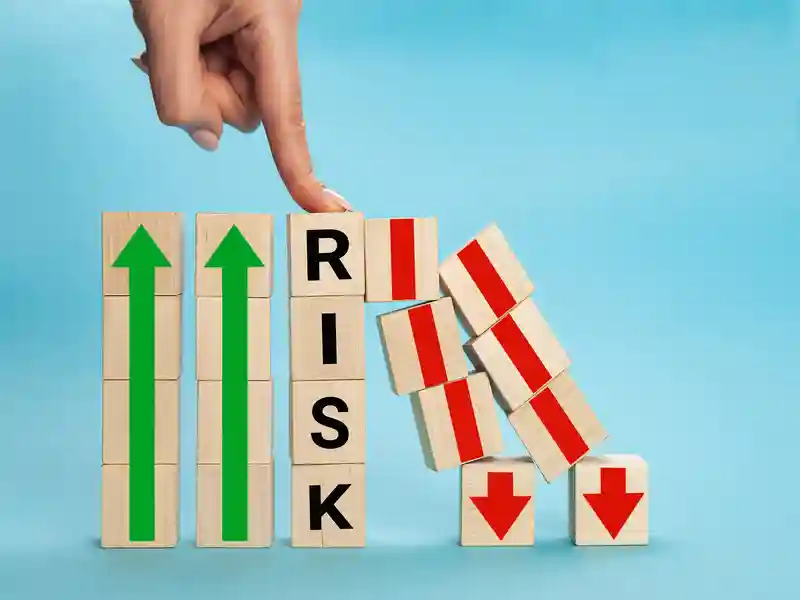
Participants in the Lead Crisis Manager training course get the skills necessary to assist an organization in developing, maintaining, reviewing, and continuously enhancing its strategic crisis management capability in accordance with ISO 22361 and other best practices. Additionally, it offers details on the essential ideas and guidelines of crisis management as well as how to set up and use a crisis management framework successfully.

One of the major functions of contracting is to ensure that risks to owners and contractors are identified and managed in a way that both parties are satisfied with the project outcome. While a contract cannot, of itself, make risk “go away”, it can, and should, identify the risks, determine who is responsible for managing each risk, and for the consequences should the risk occur
This training course will provide professionals with the knowledge, skills, and attitudes required to manage and lead teams and organizations before, during, and after a crisis or emergency. All leaders are sooner or later confronted with the need to lead and manage their team or organization during a crisis or emergency. The leadership skills and competencies that are required in these demanding circumstances are much more challenging for the leader than normal everyday leadership. This course will also cover the basics of the COVID 19 Virus currently impacting the world. Most of our lives are a combination of work, family, and community involvement. A pandemic can affect all of these areas. Being informed and knowing what to do during a pandemic can help minimize the impact.

Large capital-intensive projects in the oil and gas industries require substantial - and mostly risky - investments in the acquisition, exploration, and subsequent operation and maintenance of new organizational assets. The decision of whether or not to invest in new capital projects in the oil and gas industry starts with critical decisions during the exploration phase of new development or the expansion of an existing field. The decision-making tools used to analyze project risk under conditions of uncertainty will help companies to determine the probability of success or loss and will drive the decision to develop or abandon the well.

Enterprise Risk Management known as (ERM) has evolved considerably since the seventies. From simply 'buying' insurance, it has now grown in importance to become a prime function in many organizations as part of a bigger system known as Governance, Risk, and Compliance (GRC) which starts with corporate governance and ends with compliance. ERM is the function of studying the risks that may hinder a corporation's ability to achieve its goals and then deciding how to overcome those risks. Studies regarding risk management were done by different organizations, including ISO which issued ISO 31000 on risk management. However, the most accepted ERM system is the one designed by the Committee of Sponsoring Organizations of the Treadway Commission (COSO). This system, which is the one covered in this course, teaches the steps needed to control risk. It starts with the evaluation of the internal environment and the setting of objectives which are, mainly, a result of the tone at the top of the organization, the directives from corporate governance as well as the vision, mission, and corporate strategies. Then, the course goes through the steps management needs to consider in order to identify and assess risk and decide on proper risk responses and controls. The course ends with how to monitor, communicate, and report risk. In addition, the course looks at risk in different organizational areas such as strategy, reporting, compliance, operations, financial and physical risk as well as risk in different industries.