

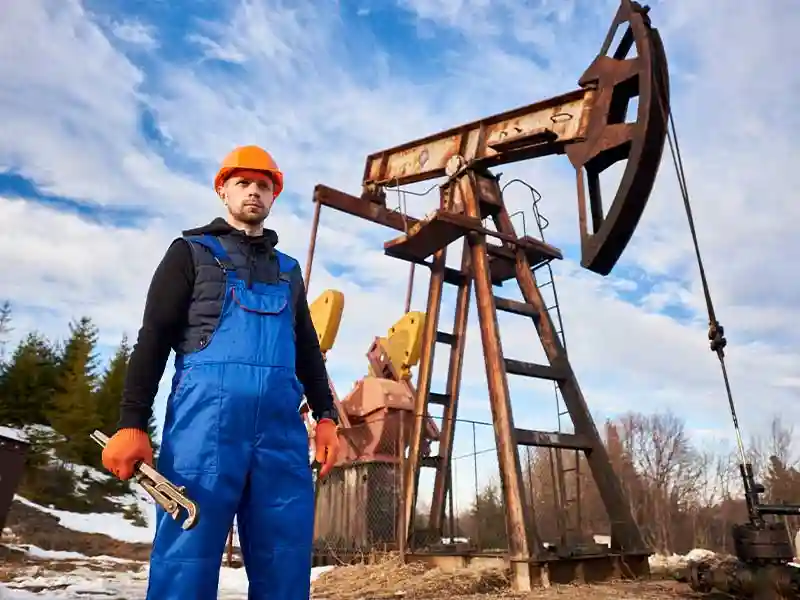
This comprehensive oil & gas online training course recognizes the need for professionals to have a comprehensive and broad understanding of the Petroleum Industry from A to Z - from upstream to downstream. Oil and gas are the world's most important energy resources driving the global economy. The processes and systems required for oil and gas production, refining, and distribution are highly complex, capital-intensive, and require state-of-the-art technology. This online training course will serve as an introduction to the petroleum industry and will greatly assist those who need to progress to a detailed knowledge of the industry.
Audit committees play a crucial role in corporate governance by overseeing financial reporting, risk management, and compliance with legal and regulatory requirements. As businesses continue to face new challenges in a rapidly changing world, audit committees must adapt and evolve to keep up with the times. This five-day training course will explore the key issues facing audit committees in a new era of governance and equip participants with the knowledge and skills needed to effectively fulfill their roles.
The training program for Certified ISO 37001 Lead Auditor equips you with the knowledge and abilities needed to conduct anti-bribery management system (ABMS) audits using generally accepted auditing principles, methods, and techniques. To ascertain the efficacy of the policies and anti-bribery procedures introduced as part of an ABMS based on ISO 37001, many firms look for qualified auditors. This training program aims to assist you in successfully completing these responsibilities and to convey the significance of successful ABMS audits. Additionally, it seeks to improve your knowledge and abilities so that you can plan and execute ABMS audits in accordance with the certification procedure outlined in ISO/IEC 17021-1 and the auditing principles for management systems provided in ISO 19011. The provided exercises, tests, and case studies are made to give you practice in the key areas of an ABMS audit, including ISO 37001 requirements, auditing principles, evidence-gathering tools and techniques, managing a team of auditors, conducting auditee interviews, reviewing documentation, drafting nonconformity reports, and creating the audit report itself. An exam is given after the training course has been successfully completed. You can apply for the "Certified ISO 37001 Lead Auditor" credential if you pass the exam. An ISO 37001 Lead Auditor certificate, which is internationally recognized and authorized by IAS, verifies your qualifications as a professional and shows that you are capable of auditing an ABMS that adheres to ISO 37001.
The GRC Auditor (GRCA) certification validates that you understand and can apply audit and assurance skills to evaluate established or planned GRC capabilities in your organization. It ensures that you have the versatile skill set to evaluate and report on the strengths and weaknesses in governance, strategy, performance management, risk management, compliance, ethics, internal control, security, privacy, and audit activities. Become a versatile assurance professional who can audit governance, strategy, performance, risk, compliance, ethics, security, privacy, internal control, and other activities. The GRC Audit (GRCA) certification builds on the GRCP and demonstrates that you have the understanding and skills to audit the GRC capability model.
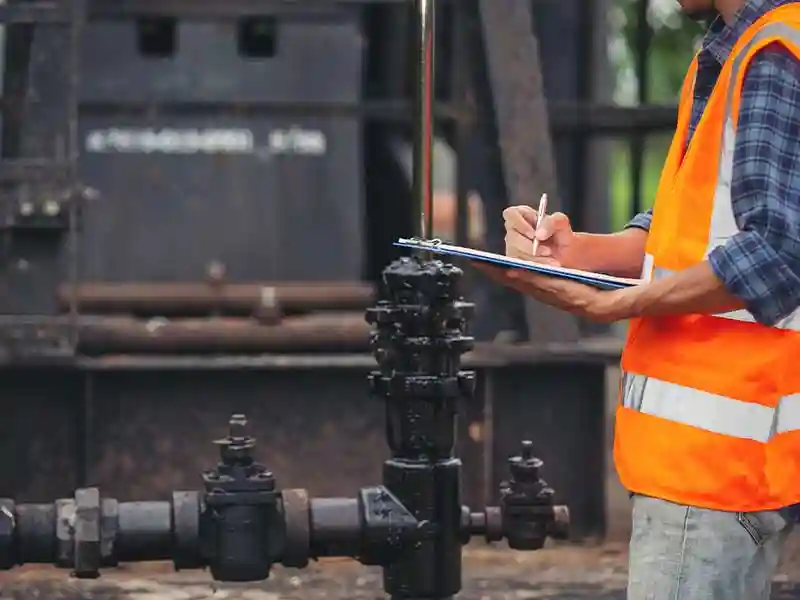
This highly interactive two-day training program is designed for those people who require a sound understanding of the techniques and principles of quality auditing. It also covers the role of the internal auditor in the development and improvement of an effective quality management system. Internal auditing is changing and it is no longer enough that internal audits check conformance, but auditors now need to be able to audit processes with emphasis on risk and performance improvement. Delegates will learn that they play a key role in the development and improvement of working practices across the organization. Delegates will also learn how to apply the 7 quality management principles.
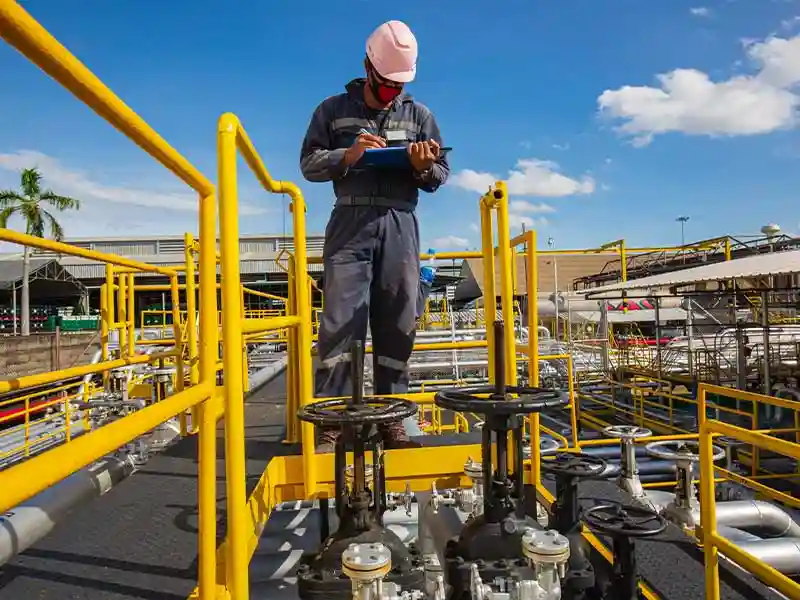
This course will introduce delegates to the different types of pumps and valves and their associated terminology. Centrifugal and positive-displacement pumps, packing, mechanical seals and sealing systems, bearings, and couplings will all be discussed. Valves for isolation and valves for control will be addressed. The application of the different types of pumps and valves will be discussed along with their suitability for different operational duties. The operation, troubleshooting, and maintenance will be dealt with in-depth
Boilers are an important asset used for various purposes in different industrial plants. It’s one of the main application to produce high-pressure steam for process applications and power generation. Operation and maintenance of Boiler are critical to ensure a safe and efficient plant environment. This Boiler Operation, Maintenance & Safety training ensure participants gain a comprehensive understanding of commercial, industrial and utility boiler systems. This program covers the principle of operation of steam boilers, types and the main components of steam boilers. It will also focus on the study of correct operation and routine maintenance and safety. Participants will also learn how to improve boiler efficiency, energy cost saving methods and maximize safety.

This course examines the history and use of petroleum from exploration through to refining and then to petrochemicals. The technology used and the production operations of the oil industry are outlined and explained in a clear easy to understand language. Designed for non-technical professionals who function within the Petroleum Refining & Petrochemicals industry, this course promises you an insight into chemical processes, plant operations, equipment, and economics
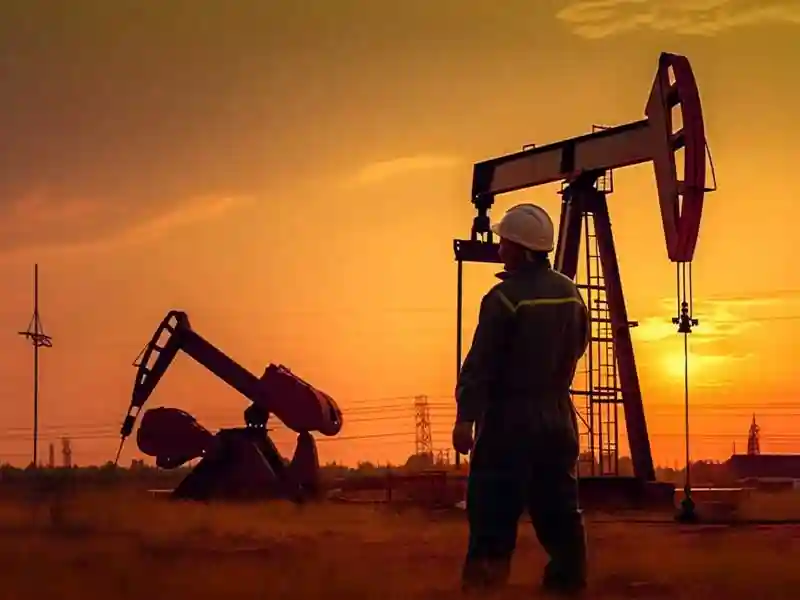
The present state of the art design of piping systems is based on the close interaction and collaboration between system designers and operators. The operator’s experience with running complex piping systems for long periods is an important factor in improving the design. The most delicate design problems are encountered during the expansion of systems when they are made larger or more complex. For a piping system to operate in a problem-free manner, the design and installation of a piping system requires attention to multiple factors. During the past few decades, pipeline systems and technologies have been progressing at a fast pace in all aspects of the design, operation, and automatic control. The systems have grown in size and intricacy, and today’s trends in the industry are aimed at enlarging the flow rates, pipe diameters and working pressures for a wide variety of fluids to be handled, including very complex and difficult ones. All of these factors impose strong requirements on careful design, precise operation and complex control. Pipeline operation engineers and managers have to be sufficiently familiar with the details of fluid flow in piping systems as well as with modern technologies, to make informed decisions on various technical aspects of the designed system and its future operation. There is a need for detailed monitoring of everyday operations, as well as computer-based centralized automatic control of the operation of large systems. At the same time, environmental concerns and safety issues require highly sophisticated monitoring and control systems