
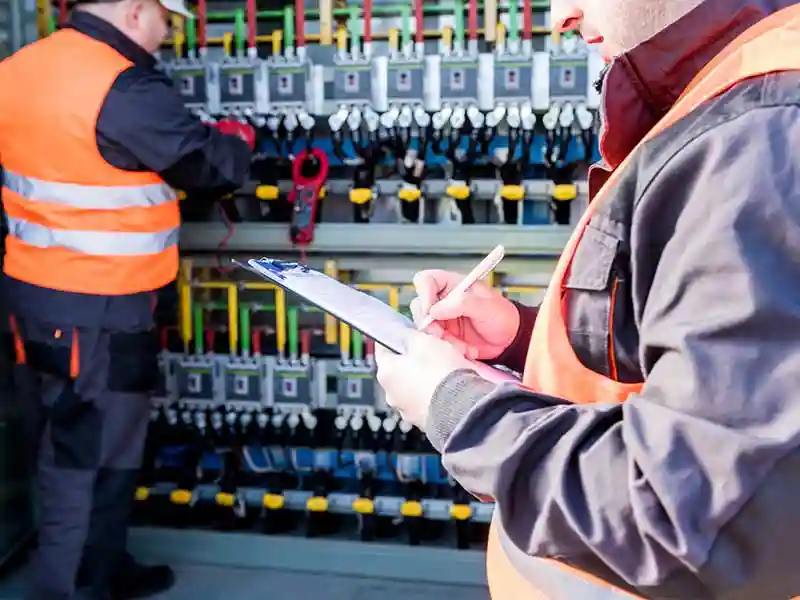
This program provides the Maintenance Section Personnel practical knowledge and skills required to understand and execute the Maintenance System Functions Effectively. The program follows the TQM flow-chart approach to understanding Maintenance functions, understanding inter-department interfaces, identification of key activities, highlighting problem points, management reporting needs, and identifying improvement opportunities.

This program initially looks at all of the core maintenance management disciplines that support effective work planning, scheduling, and work control. The second week builds on the foundation knowledge introduced during the first week by introducing participants to Maintenance Auditing and Benchmarking. These key tools can be used to ensure the core disciplines are maintained, to drive improvement, identify best practices, and assist with the formulation of strategies.
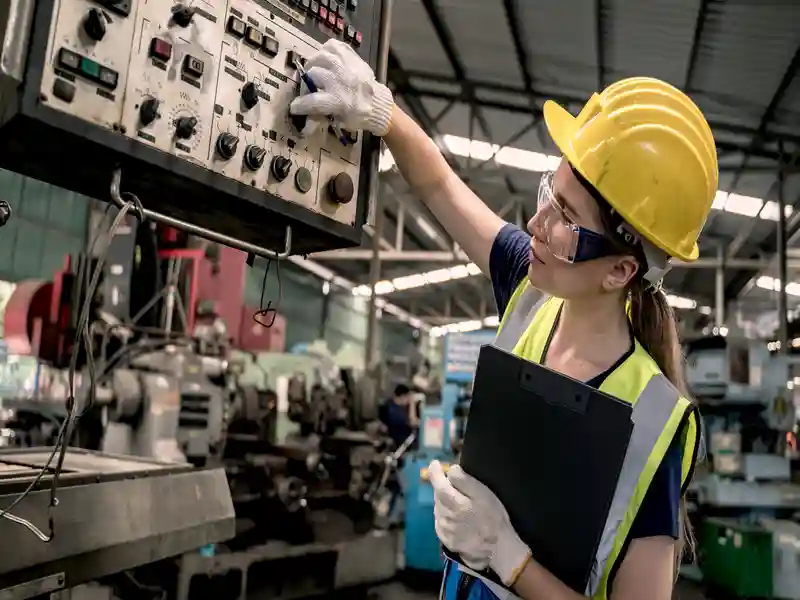
Effectively planned Preventive & Predictive Maintenance which is integrated with the workflow is critical for a successful company and an integral part of maintenance management strategies such as RCM, RBM, TPM, and even 6-Sigma. This comprehensive 5-day training course has been designed to benefit both qualified new professionals as well as experienced professionals who may be involved in the rollout of a comprehensive Maintenance & Asset Management process or auditing an existing process. It covers all the steps required in developing a successful Preventive & Predictive Maintenance Program from failure behavior and finding the right preventive maintenance task until a well-managed preventive & predictive maintenance program, fully integrated with the workflow and the CMMS.

Heat exchangers are important and expensive items of equipment that are used in a wide variety of industries. A better understanding of the basic principles of heat transfer and fluid flow and their application to the design and operation of shell and tube heat exchangers, as well as plate heat exchangers, air-cooled exchangers, and other specialty heat exchangers that you gain from this course, will enable you to improve their effectiveness and extend their life. The course provides an in-depth presentation of the main types of industrial heat exchangers, their key features and aspects, and provides practical guidelines for selecting the appropriate type for specific applications. You will better understand how to use the applicable API, TEMA, and ASME codes, standards, and recommended practices. Discussions cover fabrication, materials of construction and costs of tubular units; condensers and reboilers; effect and mitigation of fouling; and causes and prevention of exchanger tubes vibration and damage.

Reinforced concrete structures are widely used in the industrial sector special in the oil and gas field for onshore. Therefore, the basis of design for concrete structure for strength, serviceability, and robustness will be discussed in the scope of code concept. So ACI, BS, UBC, and ASCE will be discussed in the scope of practical wise to use the suitable design method to serve our business safety and operability. The objective of this course is to train engineers to be familiar with using American Concrete Institute Standard (ACI) and British standard (BS). The concept and basics of codes and standards will be introduced concerning the probability of failure specifically in ACI and BS. The course will cover the basics of design for retaining wall, liquid tanks, a foundation under machines, and a foundation under steel tanks, separator, KOD. Moreover, the key steps in design and review design will be illustrated
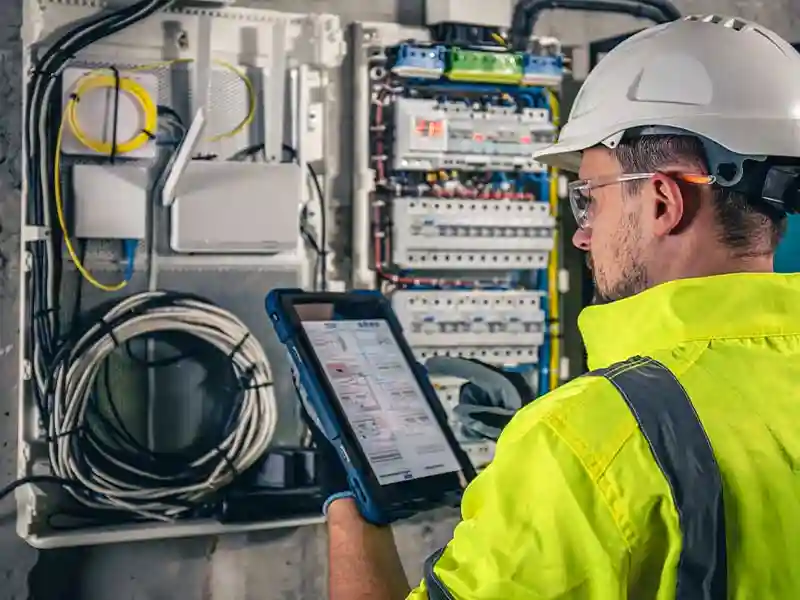
Maintenance & Reliability Best Practices are critical for every successful individual and company. This workshop delivers many practical and new Maintenance and Reliability Best Practices concepts and tools. You will discuss these concepts and practice using practical tools in case studies and discussion groups. The costs associated with equipment downtime and reduced production can be significant. Learning how to effectively manage all aspects of your industrial facility is a must. This workshop is a combination of instructor lead topic areas and class discussions. Interactive discussions will allow you to hear and learn best in class applications relating to maintenance planning and cost management strategies. You will have the opportunity to ask lots of questions in order to consider how best to apply these tools and techniques in your organization.
The process industry is capital-intensive and is characterized by strong and relentless international competition. Certain operations and processes are also high risk. This means that process companies need to be on the top of their game if they wish to survive and grow in these difficult conditions. Building Operational Excellence into the Process Industry has been designed to explain the main factors of operational excellence and how to build them into a coherent improvement program for the process industry. The latest tools and techniques are introduced and explained with a minimum of jargon so that delegates can see how to use them in their situation.

Architects and non-structural engineers often work together with structural engineers on design projects. An understanding of the basic concepts of structural engineering could make their jobs easier. If you are involved with the design and construction of concrete, steel, or wood structures, you will find this course particularly helpful. It is assumed that course participants have no formal training in structural engineering. Basic concepts and design examples will be reviewed without in-depth mathematical derivations. This course is not designed to make you a structural engineer, but you will leave the course with an understanding of the structural design process and know when you need to call in an expert.
This is a course about how to operate a wastewater treatment plant. It will address the basics of O&M, plus how to control the plant operations.